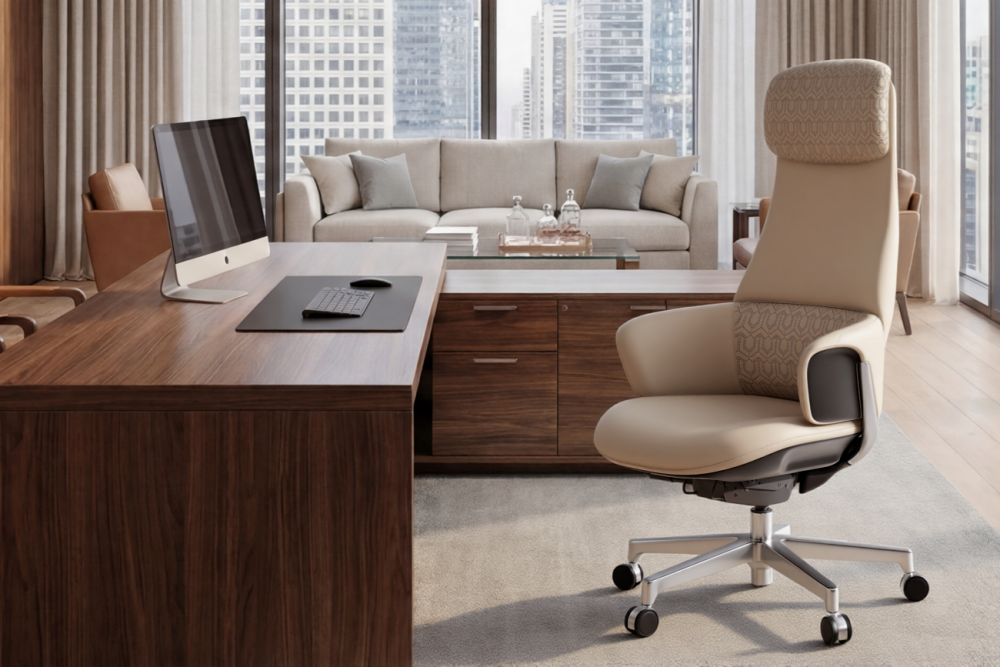
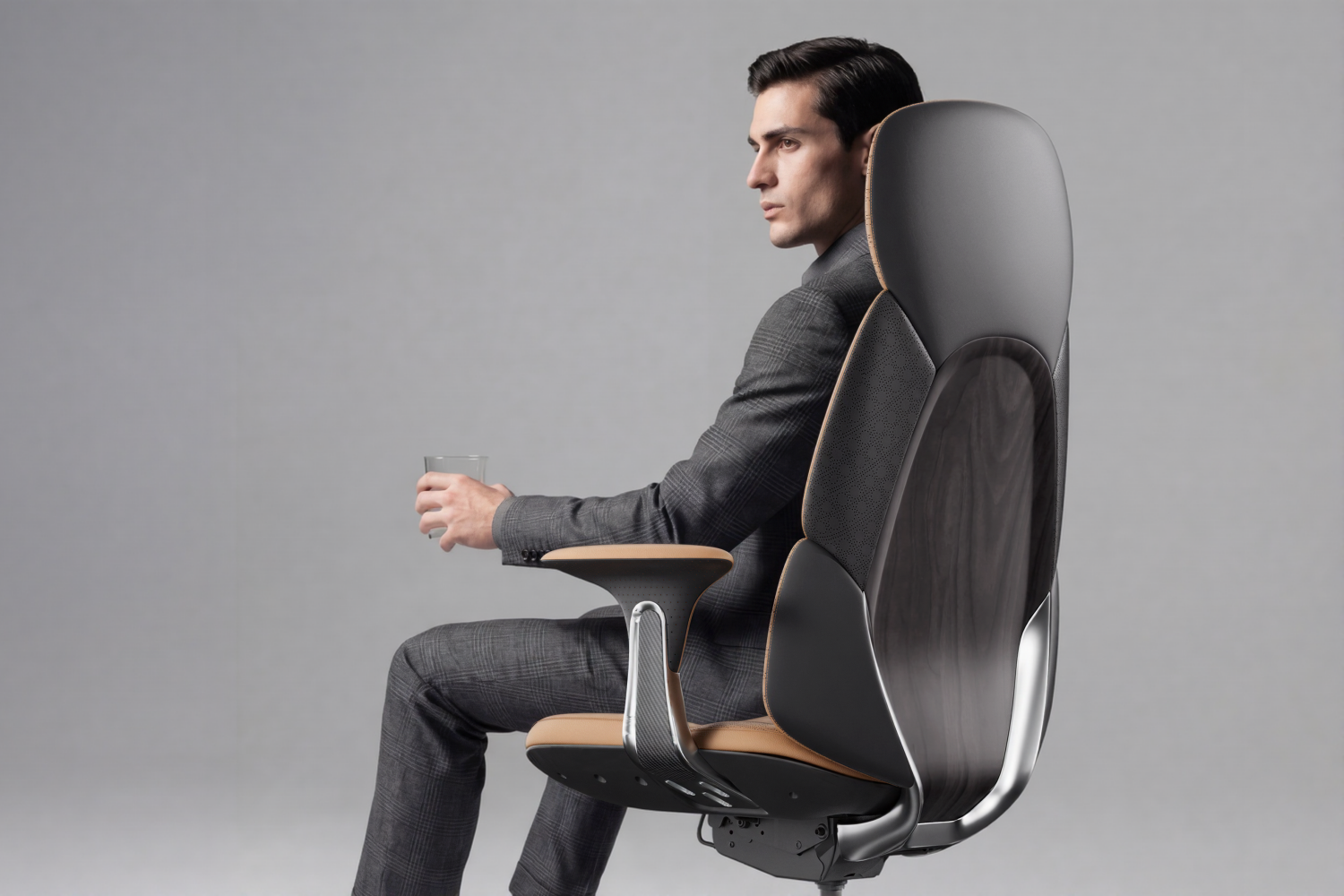
Handcrafted vs Mass-Produced Office Chairs: What’s the Real Difference and Which Should You Choose?
When shopping for an office chair, most people focus on price, comfort, and design. But there’s a deeper question worth asking:
Is there a real difference between handcrafted office chairs and mass-produced office chairs?
At first glance, they may look similar. But once you take a closer look at materials, craftsmanship, durability, and overall experience, the differences become clear.
In this guide, we’ll break down everything you need to know about handcrafted vs mass-produced office chairs, so you can make the right choice for your workspace.
What Is a Handcrafted Office Chair?
A handcrafted office chair is made with a higher level of manual work and attention to detail. Skilled artisans assemble, stitch, and finish each component, often using traditional techniques.
Key characteristics include:
- Hand-stitched upholstery
- Premium materials like genuine leather or solid wood
- More detailed quality control
- Lower production volume
Unlike factory-line production, handcrafted chairs reflect a more thoughtful process—where every detail is carefully considered rather than rushed.
For example, brands like Omdii emphasize handcrafted construction, where each chair goes through multiple manual steps to ensure quality, consistency, and a refined finish that stands out in daily use.

What Is a Mass-Produced Office Chair?
A mass-produced office chair is manufactured at scale using automated processes and assembly lines.
Key characteristics include:
- Machine-based production
- Standardized components
- Faster production time
- Lower cost
These chairs are widely available and designed to meet the needs of the general market.
Key Difference #1: Craftsmanship & Attention to Detail
Handcrafted Chairs: Built with Precision
One of the biggest advantages of handcrafted chairs is the level of craftsmanship.
Each chair is carefully assembled, with attention paid to:
- Stitching quality
- Material alignment
- Structural integrity
This often results in a more refined finish and a premium feel.
With Omdii’s handcrafted office chairs, this level of attention is especially evident in the stitching, material selection, and final detailing—creating a chair that feels more intentional and refined compared to standard options.
Mass-Produced Chairs: Built for Efficiency
Mass-produced chairs focus on consistency and speed.
While modern manufacturing can achieve good quality, the process is optimized for:
- High output
- Lower cost
- Standardization
This can sometimes mean less attention to small details.
Key Difference #2: Materials & Build Quality
Handcrafted Chairs: Premium Materials
Handcrafted chairs often use higher-end materials such as:
- Genuine leather office chair upholstery
- Solid wood or reinforced metal frames
- High-density foam
These materials not only look better but also last longer.
Omdii chairs, for instance, highlight the use of carefully selected materials paired with handcrafted techniques—resulting in a more durable and premium seating experience over time.
Mass-Produced Chairs: Cost-Effective Materials
Mass-produced chairs typically use:
- PU leather or synthetic materials
- Plastic components
- Standard foam padding
These materials help keep prices affordable but may not offer the same durability.

Key Difference #3: Comfort & Ergonomics
Handcrafted Chairs: Comfort Meets Luxury
Many handcrafted executive office chairs focus on:
- Plush cushioning
- Premium feel
- Supportive structure
While handcrafted chairs are often associated with luxury, brands like Omdii are increasingly blending handcrafted quality with ergonomic design, offering both comfort and support for daily use.
Key Difference #4: Durability & Longevity
Handcrafted Chairs: Built to Last
Thanks to superior materials and construction, handcrafted chairs often:
- Last longer
- Age better (especially genuine leather)
- Maintain structural integrity over time
Because of the manual assembly process, chairs like those from Omdii are often built with longevity in mind—making them a long-term investment rather than a short-term solution.
Mass-Produced Chairs: Varies by Quality Tier
Durability can vary widely.
Entry-level chairs may wear out faster, while higher-end models can still offer solid performance.
However, they typically don’t match the lifespan of handcrafted chairs.
Key Difference #5: Design & Aesthetic Appeal
Handcrafted Chairs: Timeless and Unique
Handcrafted chairs often feature:
- Classic, elegant designs
- Unique variations
- High-end finishes
With handcrafted brands like Omdii, the design often reflects a more refined, executive aesthetic—ideal for premium offices or elevated home workspaces.
Mass-Produced Chairs: Modern and Functional
Mass-produced chairs tend to focus on:
- Contemporary design
- Minimalist aesthetics
- Practical functionality
They fit well in modern workspaces and home offices.
Key Difference #6: Price & Value
Handcrafted Chairs: Higher Upfront Cost
Handcrafted chairs usually come with:
- Higher price tags
- Premium positioning
But they often deliver long-term value through durability and quality.
With Omdii, the focus is not just on price—but on delivering a chair that maintains its comfort, structure, and appearance over time.
Mass-Produced Chairs: Budget-Friendly Options
Mass-produced chairs are:
- More affordable
- Widely accessible
- Available in various price ranges
They offer good value for everyday use.
Which One Should You Choose?
The right choice depends on your priorities.
Choose a Handcrafted Office Chair If You:
- Value premium materials and craftsmanship
- Want a luxury or executive look
- Prefer long-term durability
- Appreciate fine details
Brands like Omdii are a strong fit for users who want a handcrafted office chair that combines quality, aesthetics, and long-term reliability.
Choose a Mass-Produced Office Chair If You:
- Need an affordable solution
- Want ergonomic adjustability
- Prefer modern design
- Are setting up a practical workspace
Can You Get the Best of Both Worlds?
Today, many brands are blending the two approaches.
Some modern office chairs combine:
- High-quality materials
- Thoughtful craftsmanship
- Practical comfort
Omdii is one example of this approach—bringing together handcrafted detailing with everyday usability, making it suitable for both professional and home office environments.
Final Thoughts
So, is there a real difference between handcrafted vs mass-produced office chairs?
Yes—but the better choice depends on what you value most.
If you prioritize craftsmanship, materials, and long-term investment, a handcrafted chair—like those from Omdii—may be worth it.
If you need affordability and accessibility, a mass-produced chair could be the more practical option.
In the end, the best office chair is the one that fits your work style, your comfort needs, and your space.