How Care Affects Your Executive Chair's Lifespan | Leather Executive Chair Maintenance Guide | Omidi Furniture
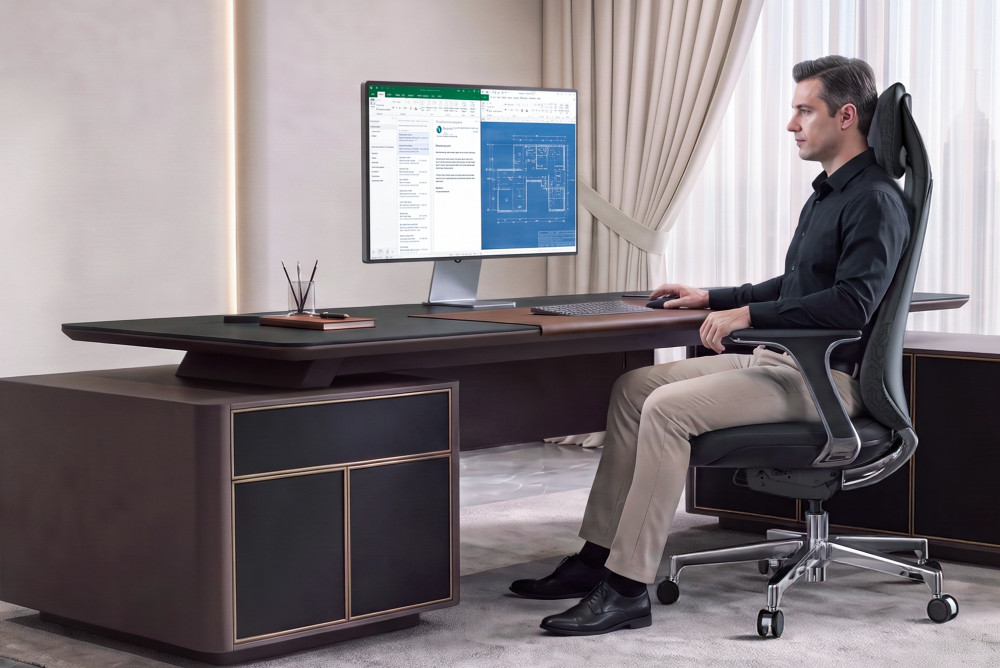
A premium executive office chair is more than just office furniture—it's an investment in your comfort, productivity, health, and professional image. Whether you're furnishing a luxury executive office or designing an elegant home workspace, a genuine leather executive chair should provide years of reliable performance.
However, even the highest-quality leather executive office chair won't last forever without proper care.
Many people assume that because premium executive chairs are built with durable materials and heavy-duty mechanisms, they require little maintenance. In reality, small maintenance habits can make the difference between a chair that lasts five years and one that remains beautiful and supportive for well over a decade. Regular cleaning, proper usage, and occasional inspections help preserve not only the chair's appearance but also its ergonomic performance.
In this guide, we'll explain exactly how care affects your executive chair's lifespan and share practical maintenance tips that help protect your investment.
Why Executive Chairs Are Built to Last
Unlike inexpensive office chairs that often prioritize low cost over durability, premium executive leather chairs are designed for years of daily use.
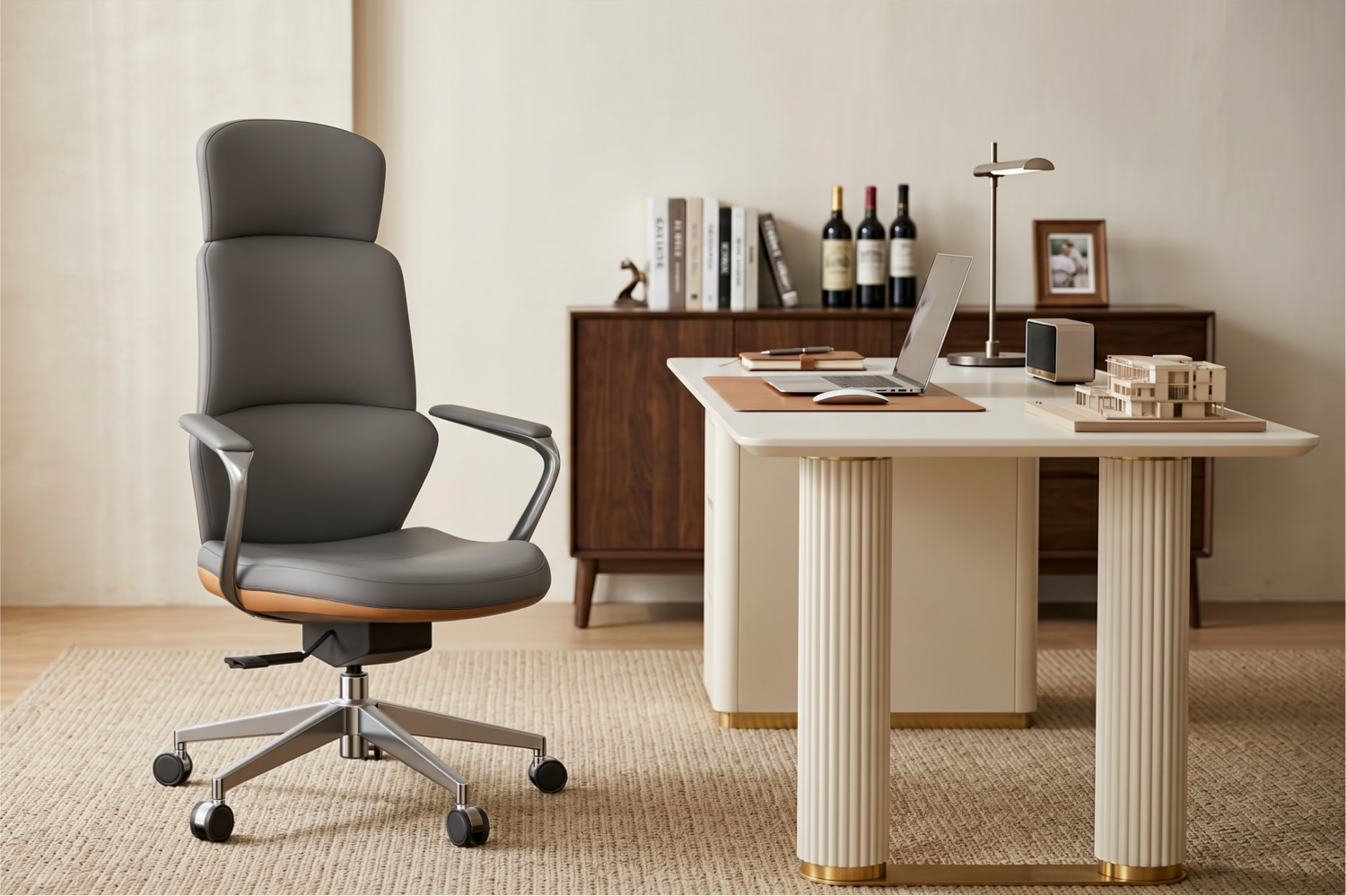
High-quality executive chairs typically feature:
- Genuine leather upholstery
- Solid metal or reinforced aluminum frames
- Heavy-duty tilt mechanisms
- Smooth gas lift cylinders
- Durable caster wheels
- High-density foam cushioning
- Ergonomic lumbar support
These premium materials can deliver outstanding longevity—but only when they're properly maintained. Industry guidance suggests premium office chairs can last 10–15 years with appropriate care, while neglected or lower-quality models often wear out much sooner.

The Biggest Factors That Affect an Executive Chair's Lifespan
1. Daily Usage
The more hours you spend sitting, the more wear every component experiences.
If your chair supports you for:
- 3–5 hours daily
- 8–10 hours daily
- Multiple users throughout the day
…the stress placed on the frame, recline mechanism, gas lift, armrests, and seat cushion increases significantly.
Heavy daily use doesn't necessarily shorten lifespan—but it does make regular maintenance far more important.

2. Leather Care
One of the greatest advantages of a genuine leather executive chair is that leather ages beautifully when maintained correctly.
Without care, however, leather may become:
- Dry
- Brittle
- Faded
- Cracked
- Stained
Dust particles also act like tiny abrasives that gradually wear away the leather's finish.
To keep leather looking luxurious:
- Dust weekly with a microfiber cloth
- Wipe spills immediately
- Use a leather-safe cleaner when necessary
- Apply a quality leather conditioner every 6–12 months (or according to the manufacturer's recommendations)
- Avoid harsh household cleaners that can strip the leather's natural oils
3. Sunlight and Heat
Many executive offices feature large windows with abundant natural light.
While the view may be impressive, direct sunlight is one of leather's biggest enemies.
Extended UV exposure can cause:
- Color fading
- Dryness
- Surface cracking
- Loss of flexibility
Likewise, placing your chair near radiators, fireplaces, or heating vents accelerates moisture loss from the leather.
Whenever possible:
- Position your chair away from direct sunlight
- Use window shades during peak sunlight hours
- Maintain moderate indoor humidity
- Keep the chair away from direct heat sources
Don't Forget the Mechanical Components
Many owners focus entirely on cleaning the leather while forgetting that the mechanical parts work just as hard.
Gas Lift Cylinder
The gas lift controls seat height and supports your body weight every day.
Avoid:
- Standing on the chair
- Sudden impacts
- Exceeding the recommended weight capacity
If you notice the chair slowly sinking throughout the day, it may be time to inspect or replace the gas cylinder.
Reclining Mechanism
A smooth reclining mechanism is essential for ergonomic comfort.
Over time:
- Dust accumulates
- Moving parts experience friction
- Bolts loosen
If your chair begins squeaking or feels stiff:
- Tighten visible hardware
- Apply silicone lubricant to moving joints (following the manufacturer's guidance)
- Check for unusual movement or instability
Casters
Caster wheels collect:
- Hair
- Dust
- Carpet fibers
- Pet fur
Blocked casters increase rolling resistance, forcing extra strain on the chair's base.
Every few months:
- Remove debris
- Clean the wheels
- Replace damaged casters if needed
Smooth-rolling wheels help extend the life of the entire chair.
Good Sitting Habits Also Protect Your Chair
Many people unintentionally shorten their chair's lifespan through improper use.
Avoid:
- Standing on the seat
- Leaning heavily on one armrest
- Dropping into the chair with excessive force
- Dragging the chair sideways
- Using the chair beyond its weight rating
Instead:
- Sit down gently
- Roll the chair instead of dragging it
- Adjust the chair before sitting for long periods
- Use the recline function as intended
These simple habits reduce stress on the chair's structural components and help preserve long-term performance.
A Simple Maintenance Schedule
Maintaining an executive chair doesn't require much time.
Every Week
- Dust leather surfaces
- Wipe away fingerprints
- Check for spills or stains
Every Month
- Vacuum around seams and creases
- Clean caster wheels
- Inspect bolts and screws
- Test height adjustment
Every 6–12 Months
- Condition genuine leather
- Lubricate moving mechanisms if needed
- Inspect the base and recline mechanism
- Perform a full cleaning
Following a consistent schedule helps prevent minor issues from becoming expensive repairs.
Signs Your Chair Needs Attention
Even premium chairs eventually show signs of wear.
Watch for:
- Leather beginning to dry or crack
- Chair slowly sinking
- Recline becoming noisy
- Loose armrests
- Wheels not rolling smoothly
- Uneven seat height
- Unusual wobbling
Addressing these problems early often prevents further damage and extends the chair's service life.
Why Investing in Quality Pays Off
Some office chairs may cost less initially, but cheaper materials often wear out quickly.
A premium executive leather office chair offers:
- Superior craftsmanship
- Better ergonomic support
- Longer-lasting materials
- Greater comfort
- Lower replacement costs over time
With proper maintenance, a quality executive chair becomes one of the most cost-effective pieces of office furniture you'll own.
Final Thoughts
A luxury executive leather chair is an investment in both your workspace and your well-being. While premium materials and expert craftsmanship provide an excellent foundation, everyday habits ultimately determine how long your chair will maintain its comfort, appearance, and ergonomic support.
By cleaning the leather regularly, protecting it from sunlight, inspecting mechanical components, and using the chair as intended, you can dramatically extend its lifespan while preserving the executive look that makes it stand out.
If you're looking for a premium executive office chair, luxury leather office chair, or genuine leather executive chair built for years of dependable performance, explore OMIDI Furniture's collection and discover seating that blends sophistication, durability, and all-day comfort.