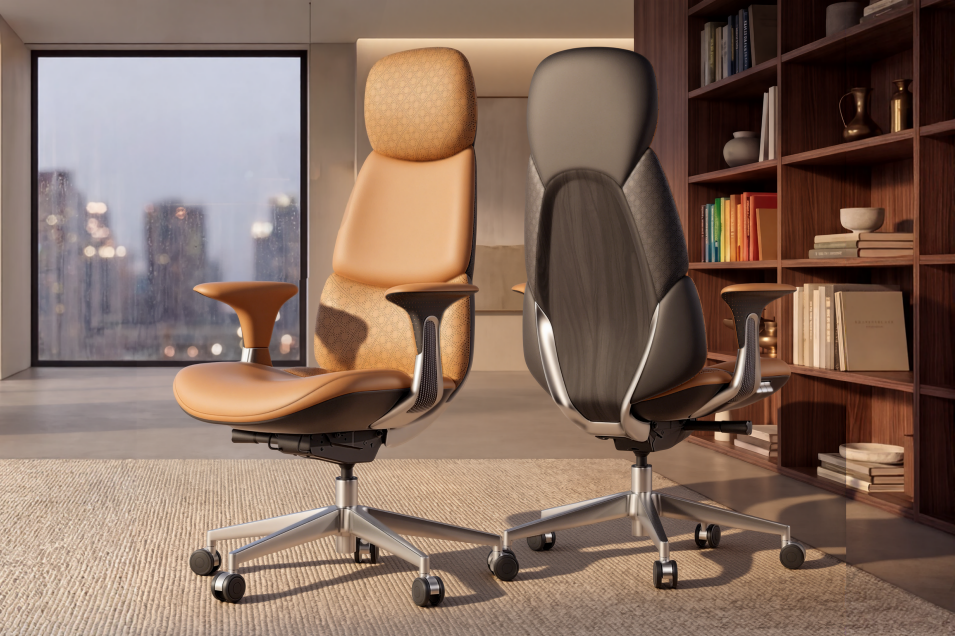
How to Clean and Maintain an Executive Genuine Leather Office Chair
An executive genuine leather office chair is more than just a place to sit—it’s a statement of professionalism, comfort, and long-term investment. Whether used in a corporate office or a refined home workspace, leather chairs are chosen for their durability, elegance, and premium feel.
However, without proper cleaning and maintenance, even the highest-quality genuine leather office chair can lose its appearance, comfort, and value over time. Leather is a natural material, and like all natural materials, it requires the right care to age beautifully rather than deteriorate.
This guide walks you through how to clean, protect, and maintain an executive genuine leather office chair so it stays comfortable, professional, and impressive for years to come.
Why Proper Leather Chair Maintenance Matters
Genuine leather is durable, but it is not maintenance-free. Daily use exposes your chair to body oils, dust, sunlight, temperature changes, and friction.
Without proper care, leather can:
-
Dry out and crack
-
Fade or discolor
-
Lose softness and flexibility
-
Develop permanent stains
Regular cleaning and conditioning preserve both appearance and structural integrity, extending the life of your chair and protecting your investment.

Understanding Genuine Leather Used in Office Chairs
Before cleaning, it’s important to understand what you’re working with.
What Is Genuine Leather?
Genuine leather office chairs are typically made from:
-
Top-grain leather (smooth, durable, premium)
-
Corrected leather (treated for uniform texture)
These leathers are coated with a protective finish but still need care to prevent drying and wear.
Why Cleaning Methods Matter
Using the wrong products—such as alcohol-based cleaners or household detergents—can strip natural oils and permanently damage the leather surface.
Daily and Weekly Care: Simple Habits That Make a Big Difference
Small, consistent habits prevent long-term damage.
Daily Care Tips
-
Wipe the chair lightly with a dry microfiber cloth to remove dust
-
Avoid sitting with sharp objects (keys, belts with metal edges)
-
Keep food and drinks away from the chair
Weekly Maintenance
-
Use a slightly damp microfiber cloth to remove surface grime
-
Dry immediately with a clean cloth
-
Inspect high-contact areas like armrests and seat edges
These steps reduce buildup and make deep cleaning less frequent.
How to Clean an Executive Genuine Leather Office Chair (Step by Step)
Step 1: Remove Dust and Loose Dirt
Use a soft microfiber or cotton cloth to gently wipe all surfaces, including seams and creases.
Avoid:
-
Paper towels
-
Rough fabrics
-
Vacuum attachments with hard edges
Step 2: Use a Leather-Safe Cleaner
Choose a pH-balanced leather cleaner designed for genuine leather.
How to apply:
-
Apply cleaner to a cloth (not directly to the chair)
-
Gently wipe in circular motions
-
Focus on armrests, seat cushions, and back support
-
Do not oversaturate the leather
Always test on a hidden area first.
Step 3: Dry Thoroughly
Use a clean, dry cloth to remove any remaining moisture.
Never use:
-
Hair dryers
-
Heaters
-
Direct sunlight
Heat can cause leather to shrink or crack.
Conditioning: The Key to Long-Lasting Leather
Cleaning removes dirt—but conditioning keeps leather soft.
Why Conditioning Is Essential
Leather naturally loses oils over time. Conditioning:
-
Restores flexibility
-
Prevents cracking
-
Enhances color depth
-
Improves comfort
How Often to Condition
-
Every 3–6 months for normal use
-
More frequently in dry or air-conditioned environments
Use a leather conditioner made specifically for office furniture, not car interiors or fashion leather.
Protecting Your Leather Chair from Environmental Damage
Avoid Direct Sunlight
UV rays cause fading and dryness. Place your chair away from windows or use curtains and blinds.
Control Temperature and Humidity
-
Ideal room temperature: 60–75°F (16–24°C)
-
Avoid placing chairs near heaters or AC vents
Stable conditions prevent leather from drying out or stiffening.
Handling Spills and Stains Safely
Accidents happen—but speed matters.
Liquid Spills
-
Blot immediately with a dry cloth
-
Do not rub
-
Let air dry naturally
Oil or Grease
-
Sprinkle a small amount of cornstarch or talcum powder
-
Let sit for several hours
-
Gently wipe away
What Not to Use
-
Alcohol
-
Vinegar
-
Baby wipes
-
Household cleaners
These can permanently damage the leather finish.
Common Maintenance Mistakes to Avoid
Many leather chairs are damaged unintentionally.
Avoid:
-
Over-cleaning (strips natural oils)
-
Using harsh chemicals
-
Sitting on the chair while it’s still damp
-
Ignoring early signs of dryness or stiffness
Proper care is about balance, not aggressive cleaning.
Long-Term Care Tips for Executive Leather Office Chairs
-
Rotate sitting positions to distribute wear evenly
-
Periodically tighten screws and inspect chair structure
-
Clean seams and stitching carefully
-
Use chair mats to reduce dust transfer from floors
High-quality executive chairs are built to last—but maintenance ensures they age well.
Why Proper Care Protects Your Investment
A well-maintained genuine leather office chair:
-
Looks professional year after year
-
Retains comfort and support
-
Reduces replacement costs
-
Enhances workspace image
For executives and professionals, appearance and comfort go hand in hand.
FAQ: Executive Genuine Leather Office Chair Care
1. How often should I clean my genuine leather office chair?
Light dusting weekly and deep cleaning every 2–3 months is ideal for most office environments.
2. Can I use household cleaners on a leather office chair?
No. Household cleaners often contain alcohol or harsh chemicals that damage leather. Always use leather-specific products.
3. How do I prevent my leather chair from cracking?
Regular conditioning, avoiding direct heat, and maintaining stable humidity levels are key to preventing cracks.
4. Is it normal for leather to change color over time?
Yes. Genuine leather develops a natural patina, which enhances its character when properly maintained.
5. Can I repair minor scratches myself?
Light scratches can often be minimized with a leather conditioner. Deep scratches may require professional repair.
Final Thoughts: Care That Matches the Quality
An executive genuine leather office chair represents professionalism, comfort, and refined taste. With proper cleaning and maintenance, it doesn’t just last longer—it looks better with time.
By following the steps in this guide, you protect both the appearance and performance of your chair, ensuring it continues to support your workday and your workspace image for years to come.