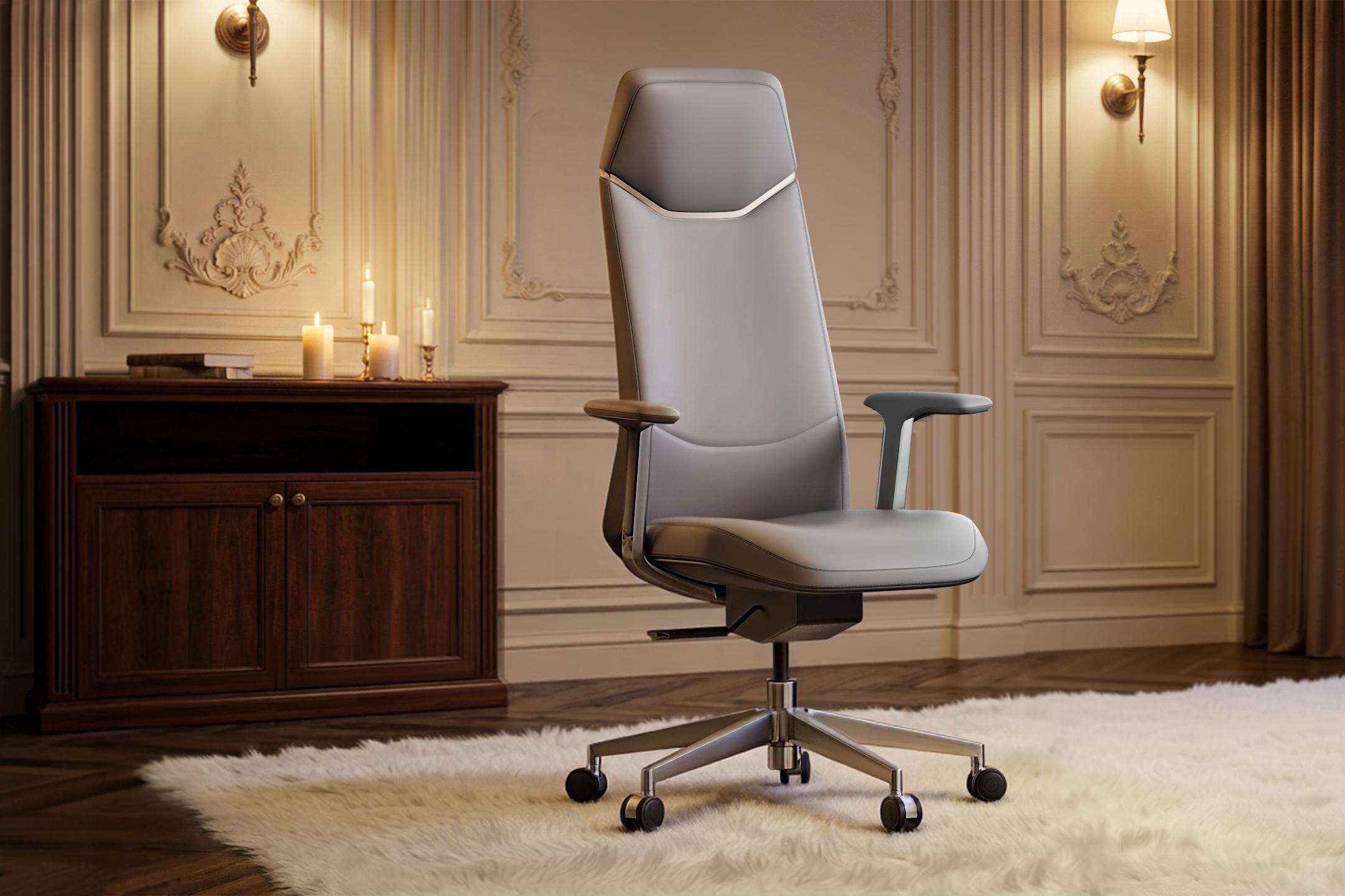
Genuine Leather vs. PU Leather: What Really Matters in Executive Chairs
When choosing an executive office chair, materials matter just as much as design and ergonomics. Among all options, genuine leather office chairs and PU leather chairs are the two most common choices in executive seating. At first glance, they may look similar—but in real-world use, the differences are significant.
If you’re investing in an executive chair for long hours, professional image, and long-term value, understanding the pros and cons of genuine leather vs. PU leather is essential. This guide breaks down what really matters—from durability and comfort to aesthetics, maintenance, and cost—so you can make an informed decision.
What Is Genuine Leather?
Genuine leather is a natural material made from animal hide, typically cowhide. It goes through a tanning process to become durable, flexible, and suitable for furniture upholstery. In executive office chairs, genuine leather is often used on high-contact areas such as the seat, backrest, and armrests.
Key characteristics of genuine leather:
-
Natural grain and texture
-
Breathable surface
-
Softens and improves with age
-
High durability when properly maintained
A genuine leather office chair is widely seen as a premium choice, especially in executive offices, boardrooms, and high-end home workspaces.

What Is PU Leather?
PU leather (polyurethane leather) is a synthetic material designed to mimic the look of real leather. It is made by coating a fabric base with a layer of polyurethane, giving it a smooth and uniform appearance.
Key characteristics of PU leather:
-
Man-made and uniform in texture
-
More affordable than genuine leather
-
Easy to clean initially
-
Less breathable and less durable over time
PU leather chairs are often used in budget-friendly office furniture or short-term setups.
Appearance: Natural Character vs. Perfect Uniformity

Nolan Executive Leather Office Chair
Genuine Leather Office Chair
One of the biggest visual advantages of genuine leather is its natural character. Each chair has subtle variations in grain, tone, and texture, which adds depth and authenticity. Over time, genuine leather develops a rich patina that enhances its executive appeal.
This is why genuine leather office chairs are often associated with:
-
Authority and professionalism
-
Luxury office environments
-
Long-established brands and executives
No two genuine leather chairs look exactly the same—and that uniqueness is part of their value.
PU Leather Chair
PU leather offers a perfectly consistent appearance, which can look sleek when new. However, it lacks the depth and richness of natural leather. Over time, PU leather tends to lose its finish, appearing flat or artificial.
For image-conscious executive spaces, this difference becomes noticeable quickly.
Comfort & Breathability: A Critical Difference

Nyla Executive Leather Office Chair
Genuine Leather Comfort
Genuine leather is a breathable, temperature-adaptive material. It stays cooler in warm conditions and warmer in cooler environments, making it ideal for long sitting sessions.
Benefits include:
-
Reduced sweating during long work hours
-
Softer feel that molds to your body
-
Improved comfort over time
For executives spending 6–10 hours a day seated, a genuine leather office chair offers a clear comfort advantage.
PU Leather Comfort
PU leather is non-breathable. It traps heat and moisture, which can cause discomfort during extended use. While it may feel fine for short periods, long-term sitting often leads to:
-
Heat buildup
-
Sticky or stiff surface feel
-
Faster material fatigue
This is a key reason PU leather chairs are less common in high-end executive offices.
Durability & Lifespan: Short-Term vs. Long-Term Value

Neta Executive Leather Office Chair
Genuine Leather Office Chair Durability
A high-quality genuine leather office chair can last 10–15 years or more with proper care. Genuine leather resists tearing, cracking, and stretching far better than synthetic materials.
Over time:
-
Leather softens without weakening
-
Surface wear looks refined, not damaged
-
Structure remains intact
This longevity makes genuine leather chairs a smart long-term investment.
PU Leather Durability
PU leather typically lasts 2–5 years, depending on usage and climate. Common issues include:
-
Peeling or flaking
-
Surface cracking
-
Loss of elasticity
Once PU leather begins to peel, it cannot be repaired. Replacement becomes the only option.
Maintenance: Easy vs. Sustainable Care

Neta Executive Leather Office Chair
Caring for a Genuine Leather Office Chair
While genuine leather does require care, it’s simpler than many people expect:
-
Wipe with a soft cloth weekly
-
Condition every 3–6 months
-
Avoid direct sunlight and extreme heat
With basic maintenance, a genuine leather chair maintains its appearance and comfort for years.
PU Leather Maintenance
PU leather is easy to wipe clean—but that convenience is short-lived. Once the coating begins to break down, no amount of cleaning can restore it. Maintenance does not extend lifespan in the same way it does with genuine leather.
Ergonomic Performance & Structure

Nyla Executive Leather Office Chair
Material quality often reflects overall chair construction.
Genuine leather office chairs are usually paired with:
-
Stronger internal frames
-
Higher-density foam
-
More advanced ergonomic mechanisms
This results in better:
-
Lumbar support
-
Seat stability
-
Long-term posture support
PU leather chairs are more commonly found in lightweight or entry-level designs, where ergonomic features may be limited.
Cost: Upfront Price vs. Real Value
Genuine Leather Office Chair Cost
Genuine leather chairs cost more upfront—but offer better value over time. When calculated per year of use, they are often more economical than replacing PU leather chairs multiple times.
You’re paying for:
-
Longevity
-
Comfort
-
Professional image
-
Sustainable ownership
PU Leather Chair Cost
PU leather chairs are cheaper initially, making them attractive for temporary setups or tight budgets. However, frequent replacement increases long-term cost and waste.
Environmental & Sustainability Considerations
Genuine leather, when responsibly sourced, can be a more sustainable option due to its long lifespan. Fewer replacements mean less waste.
PU leather, being plastic-based, contributes to:
-
Faster disposal cycles
-
Non-biodegradable waste
-
Microplastic pollution
For buyers focused on quality and sustainability, genuine leather remains the better choice.
Executive Image & Workplace Perception
In executive environments, furniture communicates values. A genuine leather office chair signals:
-
Authority
-
Attention to detail
-
Long-term thinking
Whether in a CEO’s office, boardroom, or premium home workspace, genuine leather reinforces trust and professionalism in ways PU leather cannot match.
When Does PU Leather Make Sense?
PU leather may still be suitable if:
-
The chair is for short-term use
-
Budget is the primary concern
-
The chair is used occasionally
However, for daily executive use, PU leather is rarely the best choice.
Choosing the Right Genuine Leather Office Chair
When shopping for a genuine leather executive chair, look for:
-
Clearly labeled genuine leather upholstery
-
Reinforced frame and base
-
Adjustable ergonomic features
-
High-density foam cushioning
Brands like Omidi Furniture offer executive seating options that focus on genuine leather craftsmanship, ergonomic structure, and timeless design—well-suited for professional offices and long-term use.
Final Verdict: What Really Matters in Executive Chairs
When comparing genuine leather vs. PU leather, the answer depends on what you value most. If you prioritize:
-
Long-term comfort
-
Durability
-
Professional image
-
Better ergonomics
Then a genuine leather office chair is the clear winner.
PU leather may look similar at first, but genuine leather delivers lasting performance, comfort, and prestige—qualities that truly matter in executive seating.
If you’re investing in an executive chair, choose a material that supports not just your body, but your workspace identity for years to come.