Leather Office Chairs: Are They Worth the Money in 2026?
In 2026, as work-from-home setups evolve and traditional office spaces adapt to hybrid models, the choice of office furniture matters more than ever. Among all the components that shape a productive workspace, one that consistently stands out is the office chair — especially the genuine leather office chair.
But with so many options available — mesh, fabric, high-tech ergonomic seats, mid-range PU leather chairs — you might be wondering:
Are leather office chairs still worth the money in 2026?
This article explores the value of leather office chairs through the lens of comfort, durability, aesthetics, ergonomics, long-term cost, and how they fit into modern work environments. By the end, you’ll have a clear understanding of whether a leather chair is a smart investment for your workspace this year and beyond.
1. Understanding What “Worth It” Means in 2026
In 2026, “worth it” goes beyond just price tags. Consumers now expect:
-
Long-lasting comfort
-
Ergonomic support for long hours
-
Materials that age well
-
Sustainable and durable design
-
Visual appeal in both home and corporate spaces
-
Health and productivity benefits
A leather office chair isn’t just a seat — it’s a workspace companion. As hybrid working becomes more permanent, people are spending longer hours at desks. Comfort and health, therefore, are non-negotiable.
2. Leather Office Chairs vs. Other Materials
Before deciding if a leather chair is worth the money, it helps to compare it with other widely used office chair materials:
Mesh Office Chairs
-
Pros: Breathable, lightweight, modern look
-
Cons: Can lack cushioning and comfort for long hours
Fabric Office Chairs
-
Pros: Soft feel, affordable
-
Cons: Stains easily, absorbs odors, wears faster
PU Leather Office Chairs
-
Pros: Affordable leather-like appearance
-
Cons: Less breathable, tends to crack or peel over time
Genuine Leather Office Chair
-
Pros: Long lasting, feels luxurious, superior aging
-
Cons: Higher upfront cost
Each material has its place. But when you consider durability, long-term use, prestige, and comfort, leather often comes out ahead — especially for executive users and daily heavy use.

3. Why Genuine Leather Still Matters in 2026
As a seller and supporter of premium seating, I’ve observed that genuine leather continues to outperform alternatives in areas that matter most:
• Durability and Lifespan
A genuine leather office chair is built to last. With proper care, leather won’t stretch, sag, or break down like cheaper materials often do.
High-grade leather can easily remain comfortable and visually appealing for 10–15 years or more — a long lifespan compared to most fabric or PU leather chairs.
• Aging Gracefully
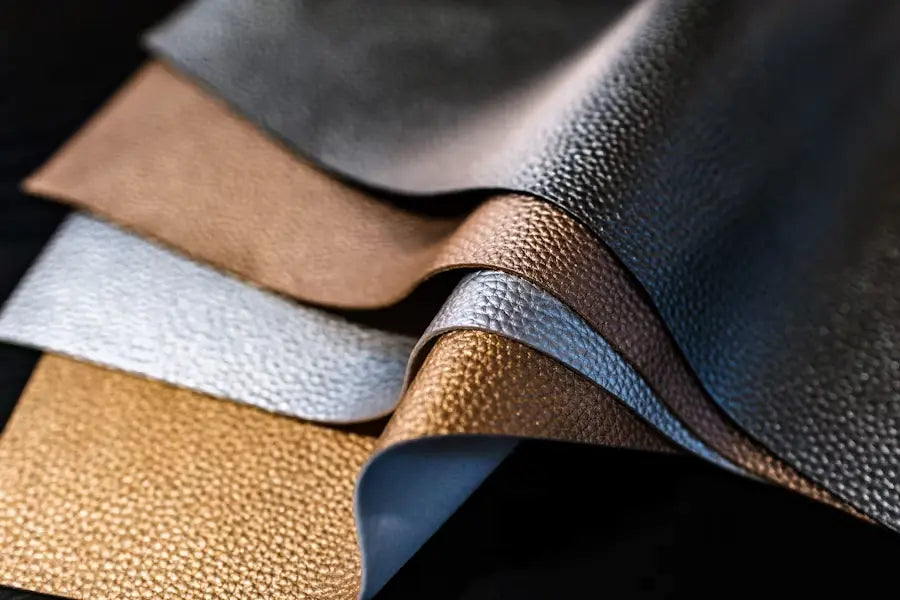
One of the things that sets genuine leather apart is how it ages. While many materials deteriorate, quality leather develops a patina — a soft sheen and unique texture that enhances character and aesthetic appeal. In a way, real leather improves with time.
• Comfort Over Long Hours
Leather adapts subtly to body temperature. It feels cool when your space is warm and comfortably warm when it’s cooler. Pair that with quality cushioning and ergonomic design, and a leather chair becomes surprisingly inviting for prolonged use.
This adaptability contributes to both comfort and sustained focus — critical in 2026 work scenarios where long hours, back-to-back virtual meetings, and deep work are the norm.
4. Emotional & Psychological Benefits
Humans respond to their environment — often subconsciously. Here’s where a leather office chair delivers beyond its physical benefits:
• Professional Aesthetic
Leather conveys confidence, success, and authority. Whether you’re in a boardroom or on a video call, a genuine leather office chair sends a strong visual message.
• Comfort-Boosting Confidence
Psychological comfort — the feeling of sitting in something premium — boosts morale and productivity. When your chair feels like a quality asset rather than a utilitarian necessity, your overall engagement in work improves.
• A Sense of Permanence
Especially in home offices, a comfortable and luxury-feeling chair helps shift mindset from “I’m working at home” to “I’m at my professional workspace.”

5. Ergonomics: How Leather Chairs Support Your Body
Gone are the days when an office chair was just a seat. Today, ergonomic engineering plays a major role in preventive health.
Ergonomic Features to Look For
A high-quality leather office chair should include:
-
Adjustable height
-
Tilt and recline functions
-
Lumbar support
-
Cushioned armrests
-
Contoured seating
-
Sturdy base
Leather chairs often pair premium upholstery with advanced ergonomic engineering. The result? Comfort that supports posture and reduces fatigue — especially for long workdays.
6. Cost vs. Value: Why Leather Holds Its Ground
A primary concern many people have is cost. Leather chairs do cost more up front — but when evaluating value, consider this:
-
A cheaper office chair might need replacement within 2–3 years
-
A genuine leather office chair lasts 10+ years
-
Leather retains aesthetic appeal, resale value, and structural integrity far longer
-
You spend less on replacements and enjoy more consistent comfort
When measured over a decade, a genuine leather office chair can end up being more cost-effective than repeatedly replacing cheaper alternatives.

7. Sustainability & Leather in 2026
Sustainability is now a major consideration in purchasing decisions. A well-made leather office chair aligns with long-term sustainability in these ways:
• Longevity Reduces Waste
Instead of disposing of a chair every few years, leather chairs remain serviceable longer, reducing landfill waste and consumption cycles.
• Leather is a Natural Material
When responsibly sourced and tanned, leather has a different environmental impact than fully synthetic materials that never biodegrade.
This isn’t to say every leather chair is inherently sustainable — sourcing and manufacturing standards vary. But when quality and durability are priorities, a genuine leather office chair often offers a more sustainable choice than short-lived synthetics.
8. Where Leather Chairs Shine in 2026 Work Environments
Here are scenarios where investing in a leather office chair is especially worthwhile:
• Long Desk Hours
If you regularly work long hours or multiple tasks at your desk, comfort and support become essential. Leather’s adaptability and durability support extended use.
• Client-Facing Roles
Executives, consultants, lawyers, and professionals who host in-person or virtual meetings benefit from the premium visual presence a leather chair provides.
• Executive Suites
In executive and leadership offices, aesthetics and presence carry strategic weight. A genuine leather office chair enhances visual authority and office identity.
• Home Offices
Remote professionals who want a workspace that feels professional — not makeshift — find leather chairs elevate the environment and mindset.

9. Choosing the Right Leather Chair in 2026
Not all leather chairs are created equal. Here’s what to consider when choosing the right one:
• Confirm Genuine Leather
Terms like “leather layer,” “bonded leather,” or “leatherette” are not the same as genuine leather. Always check labels and product descriptions.
• Seat & Back Padding
Dense memory foam or high-density padding ensures long-term comfort and support.
• Ergonomic Adjustments
Height, tilt, lumbar support, and armrests should adjust to your body and work habits.
• Base & Mechanisms
Look for sturdy metal bases and smooth tilt mechanisms rated for repeated use.
• Style & Color
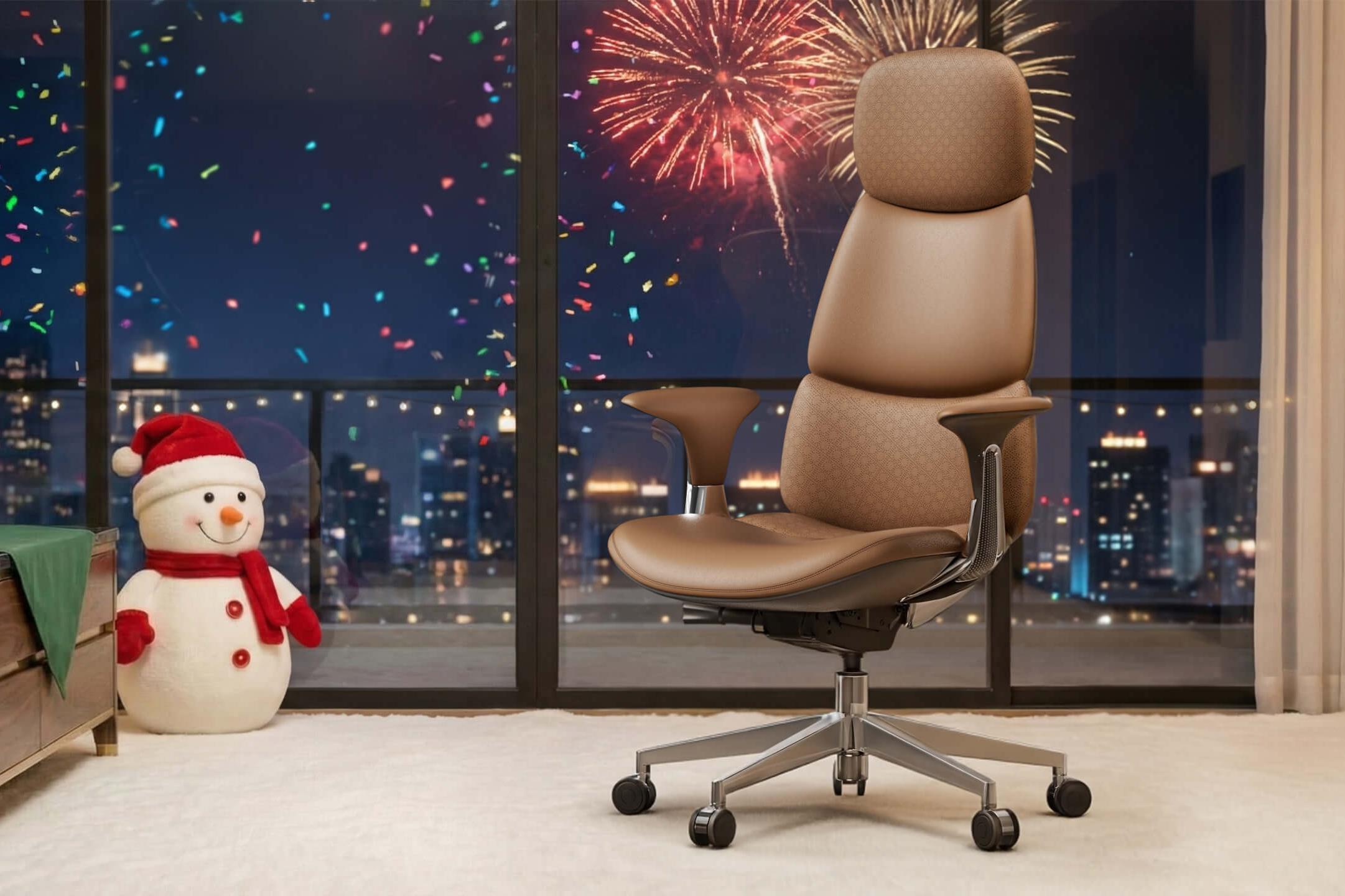
While materials matter most, choice of color (e.g., classic black, rich brown) affects décor, mood, and office presence.
10. Recommended Genuine Leather Chairs from Omidi Furniture
If you’re exploring quality genuine leather office chairs, Omidi Furniture offers a curated selection designed for comfort and professional aesthetics. Their collection includes executive seats that combine:
-
Premium genuine leather upholstery
-
Ergonomic support
-
Durable build suitable for daily use
(Visit OmidiFurniture.com to explore models that fit your workspace and style.)

11. Common Misconceptions About Leather Office Chairs
“Leather is High-Maintenance”
In reality, leather care is simple: a light wipe, occasional conditioning, and avoiding long sun exposure. This minor upkeep extends leather’s lifespan significantly.
“Leather Is Only for Formal Offices”
With flexible design options, leather chairs fit modern, minimalist, industrial, and home setups just as well as traditional offices.
“Leather Gets Uncomfortable”
Quality leather paired with ergonomic engineering equals comfort that improves over time — not discomfort.
12. Final Verdict: Is a Leather Office Chair Worth the Money in 2026?
Yes — especially if you prioritize:
✔ Long-term durability
✔ Comfort for extended workdays
✔ Professional aesthetics
✔ Ergonomic support
✔ Sustainable and cost-efficient choice over years
A genuine leather office chair is more than just an item of furniture — it’s an investment in your comfort, productivity, presence, and workspace identity. While the upfront cost may be higher than budget alternatives, the long-term benefits easily outweigh the difference.
In 2026, with remote work established and office environments reinvented, a leather chair continues to stand as a symbol of enduring quality and comfort — worthy of the money for professionals who take their workspaces seriously.